A game can be excellent and still be wrong for your evening. A two-person visit, a crowded holiday table, and a sleepy Sunday afternoon call for different things. Start with the group, then choose the box.
These are researched suggestions based on the manufacturers’ published information, checked November 11, 2026. They are not hands-on reviews. As an Amazon Associate I earn from qualifying purchases. Shopping links below are paid links to model-specific searches; confirm the edition, seller, current price and delivery before buying.
First, ask three questions
- How many people actually want to play? Count players, not everyone in the house.
- How long do we want to sit down? Include time to explain the rules.
- What sounds fun tonight? Conversation, planning moves, or arranging patterns?
One person wanting a strategy marathon does not mean the other guests do. Make it easy to watch, help someone, or skip the game.
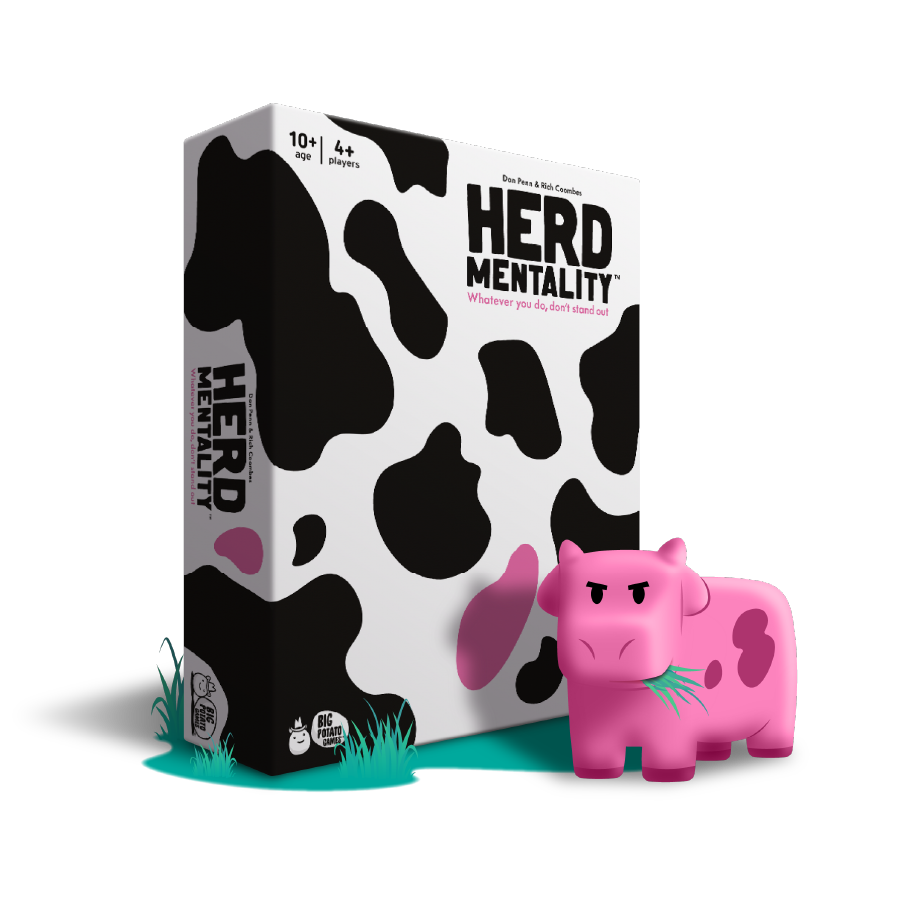
For four or more people who want to talk: Herd Mentality
The main game asks players to answer questions and match the group’s most common answer. Big Potato lists 4–20 players, ages 10+, and about 20 minutes. That makes it a candidate for a larger group that wants conversation around a shared prompt.
Skip it when: only two or three people want to play, or the group dislikes guessing what others think. Check that the listing is for the main game, not extra question cards.
Read the selection notes · Compare Herd Mentality on Amazon — paid link
For two to five people who want a longer sit-down: Ticket to Ride
The North America base game involves collecting cards and claiming train routes. Days of Wonder lists 2–5 players, ages 8+, and 30–60 minutes. Leave room on the table for the board and give a first game some extra explanation time.
Skip it when: everyone is arriving at different times or you only have a short gap before dinner. An expansion is not a substitute for a standalone base game.
Read the selection notes · Compare Ticket to Ride on Amazon — paid link
For two to four people who enjoy patterns: Rummikub Classic
Rummikub Classic uses numbered tiles to form sets and runs. The manufacturer lists 2–4 players and ages 7+. It is a different kind of evening from a loud question-based party game: people can concentrate on the tiles and their next move.
Skip it when: the group wants a big-team party activity. Check the edition and contents; travel and other versions can differ. Keep small pieces away from younger children.
Read the selection notes · Compare Rummikub on Amazon — paid link
You can also spend nothing
Try a family guessing game: each person writes one harmless, little-known fact about themselves, then the group guesses whose it is. Let everyone pass. Or take turns naming a song everyone knows and humming the first few notes. You already have the people; buying another box is optional.
A plan you can use tonight
- Ask who wants to play and pick one game together.
- Clear a table and check the pieces before guests arrive.
- Choose one person to read the rules; play a practice round where useful.
- Put drinks and snacks within reach but away from the board.
- Agree on an end time. Leave while people still want a rematch.
For a gift, tuck in a note with a proposed date to play. For your own family, borrow a game first if you can. Explore 12 gifts for hosts, makers and game night or steal our after-work treat-and-game-night plan.
Manufacturer sources
Herd Mentality, Ticket to Ride, and Rummikub Classic. Age labels and player counts refer to the editions described above.